
Methylene blue: what it actually does in the body
Methylene blue is one of the oldest synthetic molecules in medicine and the youngest in biohacking. We explain how it acts on mitochondria, where the hype ends and how it fits with functional mushroom extracts. Guest article prepared by Blue Zone.
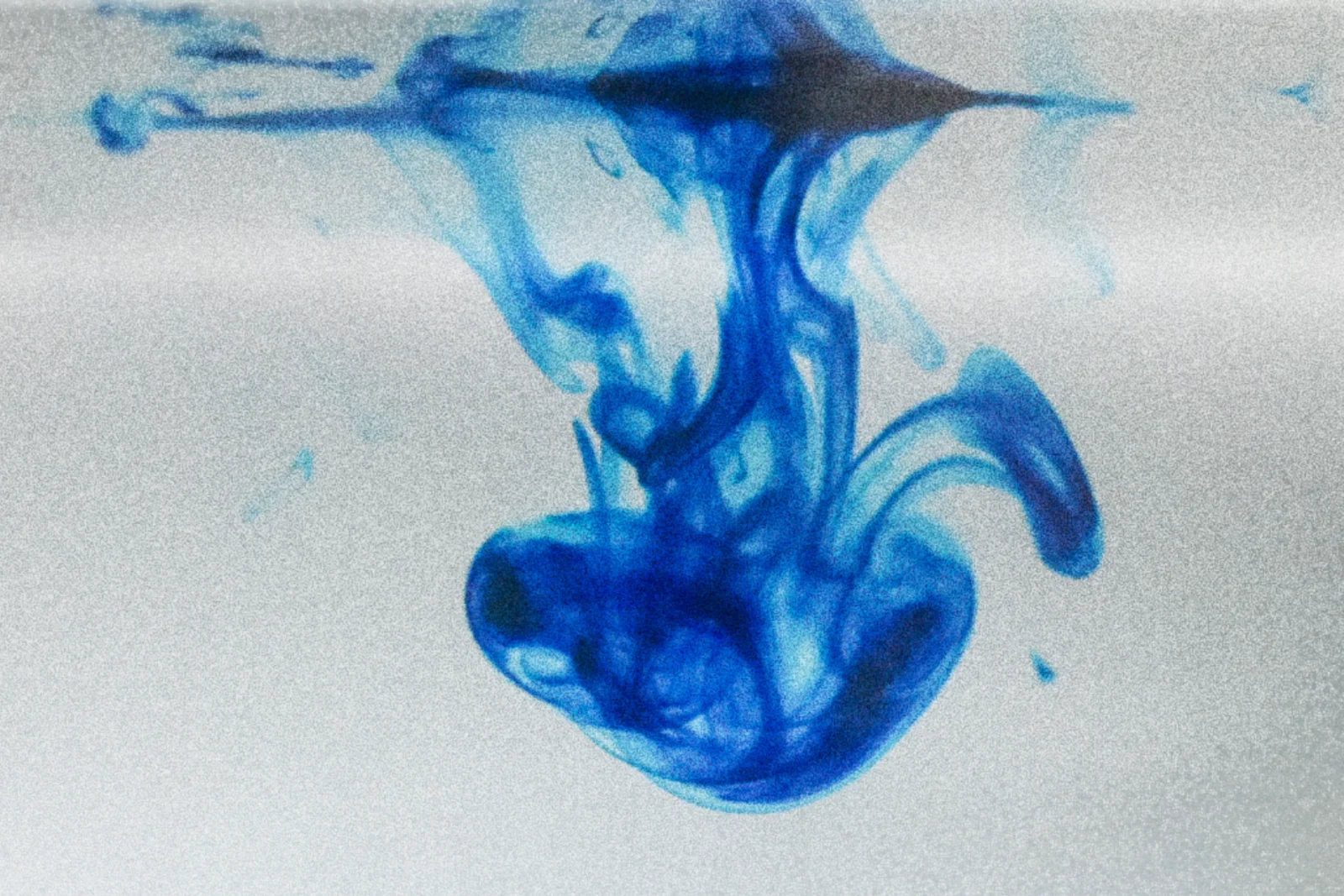
Methylene blue is back in conversations about cellular energy.
Version 1.0 · Published: 30.05.2026
Author: Blue Zone, the first Polish distributor of pharmaceutical-grade methylene blue
Subject-matter reviewer: Aloha Fungi team
Methylene blue (MB) has more than 150 years of history in medicine and only a few years in biohacking. First synthesised in 1876 at the German BASF as a textile dye, it entered pharmacology in 1891 when Paul Ehrlich (the future Nobel laureate) used it as the first synthetic drug against malaria. Today it is on the WHO list of essential medicines and is FDA-approved for the treatment of methemoglobinemia. The real wave of interest, however, came only when studies of the last two decades showed what MB does to mitochondria, and what that means for the brain, energy and longevity.
In this article, prepared by the Blue Zone team in collaboration with Aloha Fungi, we show how MB actually works, where the hype ends, how to use it safely and why it shows up increasingly often in the same stack as functional mushroom extracts.
In 60 seconds
- 🔵 MB is an electron carrier. It inserts itself into the mitochondrial respiratory chain: accepts electrons from NADH and donates them to cytochrome c, bypassing impaired complexes I and III. The result: more ATP, less free radical leak.
- ⚡ It acts fast. First effects (more energy, sharper thinking) typically appear 1-3 hours after an oral dose of about 5 mg. A different profile from functional mushrooms, which act over days and weeks through immunomodulation and neurotrophins.
- 🧪 Pharmaceutical grade matters. Textile dye contains heavy metals. USP/Ph.Eur. grade for biohacking is controlled for purity, with batch certification.
- 🚫 Critical interactions. MB is a potent MAO inhibitor. Do not combine with SSRIs, SNRIs or MAOIs, the risk is serotonin syndrome. Do not use with G6PD deficiency.
- 💊 Microdose vs clinical dose. A biohacking microdose is 0.5-2 mg per kilogram of body weight per day in divided doses (typically 5-10 mg total). Clinical doses (for example in dementia) go higher but require medical supervision.
- 🍄 It complements mushrooms, not duplicates them. MB targets a mitochondrial point (the electron transport chain). Functional mushrooms target immune receptors (beta-glucans on Dectin-1), neurotrophins (hericenones triggering NGF), polyphenolic antioxidation. Different mechanisms, the same pool of benefits: energy, neuroprotection, longevity.
What is methylene blue, actually?
Chemically, it is a phenothiazine cation with an intense blue colour (methylthioninium chloride, C₁₆H₁₈ClN₃S). In solution, it exists in either oxidised form (blue) or reduced form (colourless “leucomethylene blue”). This cyclic redox capacity is the basis of its biological action.
In conventional medicine, MB is approved in a few narrow indications:
- Methemoglobinemia, a congenital or drug-induced condition in which hemoglobin loses oxygen-carrying capacity. MB regenerates hemoglobin. Standard of care for decades.
- Septic shock refractory to catecholamines in some intensive care settings. MB inhibits nitric oxide synthase (NOS) and restores vascular response (Pasin 2013).
- Photodynamic therapy for selected skin cancers and resistant infections (Tardivo 2014).
- Alzheimer’s disease, in clinical trials as a tau protein aggregation inhibitor (Wischik 2015).
In the world of functional medicine and biohacking, MB started to be used in microdoses (in the range of 0.5 to 15 mg per day), not to treat a specific disease but to optimise mitochondrial performance in healthy people.
Mechanism: how does an electron carrier work in the respiratory chain?
To understand why MB interests biohackers, recall the basics of mitochondrial bioenergetics.
ATP, adenosine triphosphate, is the molecule the cell breaks down to get energy for any action: muscle contraction, protein synthesis, nerve impulse conduction. We do not store ATP. We make it in real time, mostly in the electron transport chain of the inner mitochondrial membrane.
The chain has four complexes (I, II, III, IV) plus ATP synthase. Electrons flow from NADH and FADH₂, through successive complexes, down to oxygen, which combines them with protons to form water. Along the way a proton gradient is built that drives ATP synthesis.
The problem: in many situations (stress, hypoxia, neurodegeneration, ageing), complexes I and III work inefficiently. Some electrons “leak” from the chain and react with oxygen, forming the superoxide radical (O₂⁻•). This is a source of oxidative stress that further damages proteins, lipids and mitochondrial DNA.
This is where methylene blue comes in. After absorption and crossing the mitochondrial membrane, MB inserts itself into the chain as an alternative electron carrier (Atamna 2008). It does two things at once:
- Accepts electrons from NADH (bypassing complex I if it is impaired) and passes them along to cytochrome c and complex IV.
- Captures electrons that would have leaked from a damaged chain, neutralising the superoxide radical before it does harm.
Net effect: more ATP, less oxidative stress. Two goals that are usually in conflict (more respiration equals more ROS) are achieved at the same time.
💡 Why this matters for the brain: the brain uses about 20% of total body energy. Most cognitive deficits, brain fog, memory problems, focus drops, have an energetic basis. Brain hypoperfusion (reduced cerebral blood flow) is a documented risk factor for Alzheimer’s (Atamna 2014). MB targets that layer directly.
What does MB actually do, and what is hype?
The nootropic industry tends to overstate. Let us separate well-documented from promised.
Well documented (human studies or solid animal models)
- Methemoglobinemia. Established, standard treatment.
- Inhibition of tau aggregation in neurons. Shown in vitro and in Alzheimer’s models (Wischik 1996). Phase III for the MB derivative LMTX, mixed results, but the mechanism is real.
- Antidepressant effect at 15-300 mg per day. Clinical studies since the 1980s (Naylor 1987, Alda 2019). MB as an MAO-A inhibitor.
- Improvement in functional brain connectivity on fMRI after a single dose in healthy volunteers (Rodriguez 2016).
- Neuroprotection in stroke and brain injury models, in many animal studies.
Promising, requiring larger RCTs
- Memory improvement in healthy people, a signal in animal studies and smaller clinical samples, but no large blinded RCTs in healthy adults.
- Slowing of ageing, solid mechanistic evidence (better NAD/NADH ratio, AMPK activation, mitophagy), no long-term human trials.
- Support in ADHD, plausible mechanistic reasoning (mitochondrial dysfunction in ADHD is described), but dedicated MB vs placebo RCTs in ADHD are very preliminary.
- Antiviral and antibacterial action, documented in vitro and in photodynamic therapy. Oral prophylaxis in infections is still experimental.
Hype and marketing
- Miracle cures for cancer, Parkinson’s or depression, these are promises, not evidence. MB is a mitochondrial tool, not a magic pill.
- “Unlimited energy”, “mind control”, “superhuman focus”, that is marketing language, not science.
- Correlation with the longevity of Blue Zones inhabitants. Blue Zones have plant-based diets, movement, social ties and low stress. MB does not replace any of these factors.
Safety and critical contraindications
Before taking anything, you must know three things.
1. Interaction with serotonergic medication
MB is a potent MAO-A inhibitor. That means it blocks serotonin breakdown.
Do not combine with:
- SSRIs (sertraline, fluoxetine, escitalopram, citalopram, paroxetine)
- SNRIs (venlafaxine, duloxetine)
- classic MAOIs
- tramadol, pethidine
- triptans at high doses
- St. John’s Wort
The combination carries a risk of serotonin syndrome (hyperthermia, seizures, in extreme cases death). FDA issued a warning in 2011. If you take psychiatric medication, see your physician first, then consider MB.
2. G6PD deficiency
Glucose-6-phosphate dehydrogenase is the enzyme that protects red blood cells from oxidative stress. In people with G6PD deficiency (genetically common around the Mediterranean, in Africa and parts of Asia), MB can trigger hemolysis (red cell breakdown). Test G6PD activity before the first dose.
3. Source quality
There are three kinds of MB on the market:
- Industrial grade, textile dye. May contain heavy metals. Not for consumption.
- Lab grade, a chemistry reagent. Also not for consumption.
- Pharmaceutical grade (USP/Ph.Eur.), controlled purity, batch certification, no heavy metals.
Only pharmaceutical grade is suitable for biohacking. Check the Certificate of Analysis (CoA) for the specific batch, not just the producer’s statement.
4. Other practical notes
- Urine turns blue-green, this is normal, MB is excreted unchanged. Resolves in 24-48 hours.
- May stain the tongue and teeth when taken sublingually. Stains come off with brushing.
- Pregnancy, breastfeeding, no data, so avoid.
- Children, not without medical supervision.
How does dosing look in biohacking practice?
Reference doses, not medical advice:
| Goal | Daily dose | Schedule |
|---|---|---|
| Cognitive microdose | 0.5-2 mg per kg of body weight | morning or before noon, divided |
| Typical use in the community | 5-15 mg per day | 10 drops of 0.5% MB, once to three times |
| Antidepressant (studies) | 15 mg | once daily |
| Bipolar disorder (RCT) | 300 mg | only under psychiatric supervision |
Important: MB has an inverted dose-response curve. More is not always better, exceeding about 4 mg per kg can reverse the beneficial effects. The worst strategy is “take more, see more”. The optimal dose is a microdose.
A standard starter schedule:
- Weeks 1-2: 5 mg once daily in the morning.
- Weeks 3-4: optionally increase to 5 mg twice daily (morning and noon).
- Later: evaluate effects. If it works, keep it. If not, check the preparation, schedule and accompanying supplements.
💡 Synergy with red and near-infrared light therapy: MB is photochemically activated. Studies suggest that a low MB dose plus exposure to light in the 600-1000 nm range gives a stronger neuroprotective effect than either alone (Rojas 2012).
Methylene blue and functional mushrooms, synergy or competition?
This is the area Aloha Fungi focuses on.
It may look as if MB and functional mushroom extracts “do the same thing”, both talk about energy, neuroprotection, longevity. But at the molecular level they target different mechanisms, which is exactly why they pair well.
What MB does
| Point of action | Mechanism |
|---|---|
| Mitochondrial respiratory chain | Alternative electron carrier |
| Oxidative stress | Direct neutralisation of the superoxide radical |
| MAO-A | Inhibition of serotonin and dopamine breakdown |
| Tau protein | Aggregation inhibition |
| NAD/NADH | Ratio improvement |
Fast, sharp, molecular. Acts from the first dose.
What functional mushrooms do
| Species | Mechanism |
|---|---|
| Lion’s Mane | Hericenones and erinacines, stimulation of NGF synthesis by astrocytes, neuroplasticity |
| Reishi | Beta-glucans and triterpenoids, immunomodulation (Dectin-1, TLR4) plus adaptogenic effect on the HPA axis |
| Cordyceps | Cordycepin, improved aerobic capacity and muscle ATP |
| Chaga | Melanins, polyphenols, betulin, strong systemic antioxidation |
Slower action (weeks and months) but spread across many parallel paths: immunity, neurotrophins, microbiome, stress regulation.
Why a MB plus mushrooms stack makes sense
Think of a power plant. MB is a better catalyst in the turbine, you instantly increase output. Mushrooms are modernisation of the whole infrastructure, the grid, the transformers, the quality control. Each works, both together create an effect no single factor delivers.
Specifically:
- Cordyceps plus MB, energy and performance. MB boosts ATP production in mitochondria, Cordyceps improves oxygen utilisation and energy metabolism in muscle. Same phenomenon from two sides.
- Lion’s Mane plus MB, focus, memory, neuroplasticity. MB improves brain metabolism “now”, Lion’s Mane builds new neuronal connections “for the long run”. In a stack you see acute sharpening (MB) plus consolidation of effects (Lion’s Mane).
- Reishi plus MB, stress regulation and sleep. MB is “uplifting”, so it is taken in the morning. Reishi in the evening balances cortisol and supports the recovery phase.
- Chaga plus MB, protection from oxidative stress. MB neutralises radicals at the mitochondrial level, Chaga across the whole circulation (polyphenols, melanins).
💡 Common denominator: both MB and functional mushrooms address hormesis, a controlled, low-level cellular stress that activates the body’s defence mechanisms. A completely different philosophy from “fighting disease”, this is reinforcing natural regulation.
A practical mitochondrial and cognitive stack
This is an example, not a protocol to follow blindly. Always consult your family physician and make sure you have no contraindication to any of the components.
Morning (fasted or after a light breakfast)
- Methylene blue 5 mg (10 drops of 0.5% MB) sublingually or in water
- Cordyceps 500-1000 mg of extract (10:1)
- Lion’s Mane 500-1000 mg of extract (10:1)
Noon
- Methylene blue another 5 mg (optional, if you feel an afternoon dip)
- Sun or red light therapy 10-20 minutes, reinforces MB action
Evening
- Reishi 500-1000 mg of extract (10:1), 2-3 hours before bed
- No MB in the afternoon, may disturb sleep in sensitive individuals
Weekly
- One day without MB, gives the body a break and helps you assess whether the effect is real or habit.
Every three months
- 1-2 weeks off all nootropics, receptor reset, an assessment of sleep and mood without support.
Where can you source verified methylene blue?
The key rule here: pharmaceutical grade and batch CoA. Cheap MB from China and India is often lab or industrial grade, with heavy metals.
Blue Zone, the first Polish distributor of pharmaceutical-grade methylene blue, offers MB tested for purity, with batch documentation and a full Certificate of Analysis. The product comes in a convenient 0.5% drop form (1 drop = 0.5 mg), allowing precise dosing.
Discount code for Aloha Fungi readers
🎁 Use code
Aloha15at blue-zone.org/sklep/ to get 15% off your full order.
FAQ
Is MB legal in Poland? Yes. Available as a supplement and as a reagent. Not a controlled substance.
Can I take MB with coffee? Yes. No known interaction with caffeine. Many biohackers combine MB with morning espresso.
Is MB addictive? No physical or psychological addiction mechanism, unlike stimulants such as methylphenidate or amphetamine.
I have G6PD at the low end of normal, what do I do? See a haematologist. The normal range is fuzzy and individual risk assessment matters.
Is MB for everyone? No. If you take psychiatric medication, have G6PD deficiency, are pregnant or breastfeeding, skip it. For a healthy adult at microdose, it is one of the safest molecules in biohacking.
Can I take MB with mushrooms? Yes. No documented interactions between MB and beta-glucans, triterpenoids or mushroom polysaccharides. The mechanisms are parallel.
Read also
- Chlorophyll and white mulberry: how they work and what the studies show
- Water or alcohol: what extraction actually pulls out
- Fruiting body, mycelium, mycelium grown on grain
Summary
Methylene blue is not a miracle drug or a magic pill. It is a precise metabolic tool with more than 150 years of history in medicine. It acts at a very specific point: the electron transport chain in mitochondria. It does this effectively and quickly, but only when used consciously: at microdose, with pharmaceutical-grade material, fully aware of contraindications.
In a stack with functional mushroom extracts, MB forms an interesting duet: molecular mitochondrial support (MB) plus systemic modulation of immunity and neurotrophins (mushrooms). Two different mechanisms aimed at the same goal, keeping the body at high performance, for as long as possible.
Aloha Fungi and Blue Zone share the same paradigm: real metabolic support instead of marketing promises. If you are interested in combining both strategies, check our full range of functional mushroom extracts and pharmaceutical-grade MB at Blue Zone.
Discount code for Aloha Fungi readers
🎁 Aloha15, 15% off
Use code Aloha15 at blue-zone.org/sklep/. You will get 15% off:
- 🔵 Methylene blue
- 🍫 Cacao
- 📘 Ebooks
Go to Blue Zone shop
Bibliography9 sources (full list of 47 in the Blue Zone ebook)
- Atamna H, Kumar R. (2010). Protective role of methylene blue in Alzheimer’s disease via mitochondria and cytochrome c oxidase. J Alzheimers Dis 20 Suppl 2:S439-52. PMID: 20463399.
- Naylor GJ, Smith AH, Connelly P. (1987). A controlled trial of methylene blue in severe depressive illness. Biol Psychiatry 22(5):657-9. PMID: 3555627.
- Rodriguez P et al. (2016). Multimodal randomized functional MR imaging of the effects of methylene blue in the human brain. Radiology 281(2):516-526. PMC5018244.
- Tucker D, Lu Y, Zhang Q. (2017). From mitochondrial function to neuroprotection: an emerging role for methylene blue. Mol Neurobiol 55(6):5137-5153. PMC8699482.
- Rojas JC, Bruchey AK, Gonzalez-Lima F. (2012). Neurometabolic mechanisms for memory enhancement and neuroprotection of methylene blue. Prog Neurobiol 96(1):32-45. PMC2992595.
- Wischik CM et al. (2015). Tau aggregation inhibitor therapy: an exploratory phase 2 study in mild or moderate Alzheimer’s disease. J Alzheimers Dis 44(2):705-720. PMID: 27576224.
- Alda M. (2019). Methylene blue in the treatment of neuropsychiatric disorders. CNS Drugs 33(8):719-725. PMID: 31144270.
- Pasin L et al. (2013). Methylene blue as a safe alternative to norepinephrine in septic shock. J Crit Care 28(5):870-1. PMID: 32631574.
- Atamna H et al. (2014). Mitochondrial pharmacology: electron transport chain bypass as strategies to treat mitochondrial dysfunction. Biofactors 38(2):158-66. PMID: 25079810.
Disclaimer: This article is informational and educational. It does not replace consultation with a physician. The supplements and substances described are not intended to diagnose, treat or prevent any disease. Before starting supplementation, especially in combination with prescription medication, consult your physician.
Guest article prepared by the Blue Zone team in collaboration with Aloha Fungi.
Have specific requirements?
Build a procurement brief: catalog match, missing inputs and a ready inquiry draft. Nothing is sent.