
Chlorophyll and white mulberry: how they work and what the studies show
Chlorophyll has a porphyrin structure nearly identical to hemoglobin, differing by a single metal atom. White mulberry contributes DNJ, a natural alpha-glucosidase inhibitor that smooths postprandial glucose spikes. We show what the studies actually confirm, where marketing takes over, and why these two ingredients pair well with functional mushroom extracts. Guest article prepared by Czarne z Natury.
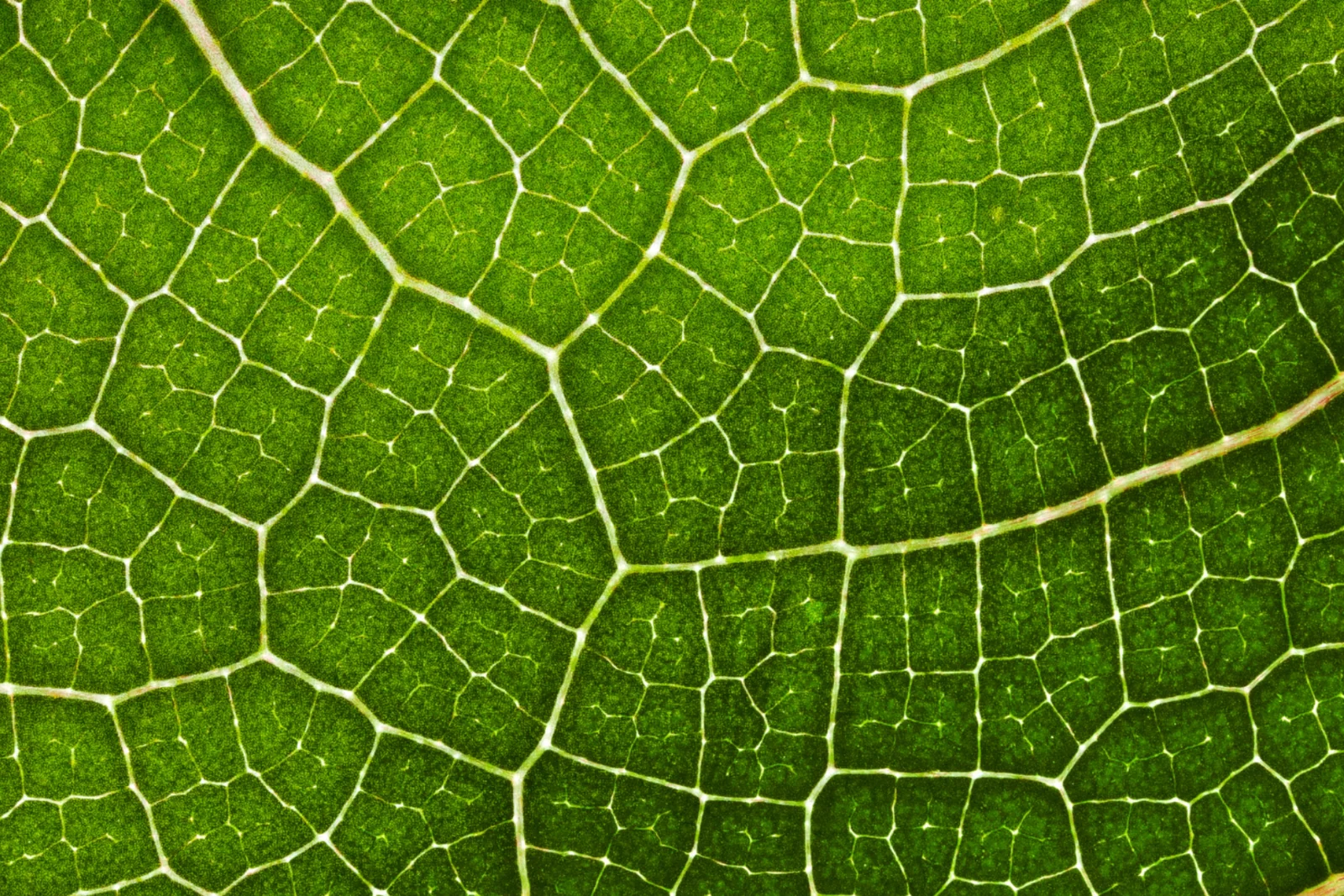
Chlorophyll is one of the most searched green ingredients.
Version 1.0 · Published: 30.05.2026
Author: Czarne z Natury, Polish manufacturer of natural extracts
Subject-matter reviewer: Aloha Fungi team
Chlorophyll is the green pigment that lets plants convert sunlight into energy. Its molecule is structurally almost identical to heme, the core of human hemoglobin. Where humans carry iron, plants carry magnesium. That single substitution has fascinated researchers since the 19th century and is the reason chlorophyll keeps showing up in supplements pitched as support for blood, detox and general vitality. In this article we show what the evidence actually says, where the hype ends, why combining chlorophyll with white mulberry extract makes sense, and how this duo fits into a stack with functional mushrooms.
In 60 seconds
- 🍃 Chlorophyll is a porphyrin built around magnesium. A structural cousin of hemoglobin. The shared backbone is a fact, but it does not mean chlorophyll “builds blood” in humans. That is a marketing simplification.
- 🧪 Natural chlorophyll vs chlorophyllin. Most supplements contain sodium copper chlorophyllin, a semi-synthetic, water-soluble derivative of chlorophyll. The majority of clinical studies on “chlorophyll” actually use chlorophyllin.
- 🔬 Best documented action: binding aflatoxins. An RCT from Qidong, China, showed that chlorophyllin reduced biomarkers of aflatoxin B1 exposure by about 55% (Egner 2001). Aflatoxin is a potent liver cancer risk factor.
- 🌿 White mulberry brings DNJ. 1-deoxynojirimycin, an alpha-glucosidase inhibitor. Mechanism similar to acarbose, the antidiabetic drug. RCTs show a 20-40% flattening of the postprandial glucose peak at a typical extract dose.
- 💧 Detox is not magic. There is no such thing as “general detox” delivered by a supplement. Chlorophyllin, however, has specific, documented defence mechanisms at the intestinal mucosa.
- 🍄 No overlap with mushrooms. Chlorophyll and mulberry act on the metabolic and gut layer (glycemia, antioxidation). Functional mushroom extracts target immunity, neurotrophins and stress adaptation. The mechanisms are separate, which is why they stack well.
What is chlorophyll and why does it sound exciting?
Chlorophyll is a family of pigments present in every green plant, in algae and in some photosynthetic bacteria. The molecule has a central porphyrin ring that traps a magnesium atom. The same porphyrin, but with iron in place of magnesium, sits at the heart of hemoglobin in human red blood cells.
That structural similarity earned chlorophyll its “green blood” reputation. In practice, the difference of a single metal atom at the centre of the porphyrin is a fundamental difference in function. Hemoglobin transports oxygen in erythrocytes. Chlorophyll captures photons in chloroplasts. The human body does not convert chlorophyll into heme.
It does not follow that dietary chlorophyll has no value. Its role is simply more subtle than some brands promise.
In the diet, chlorophyll is delivered by leaves (spinach, kale, parsley, young wheat, barley grass), green algae (spirulina, chlorella) and less obvious sources such as young white mulberry leaves. Natural leaf chlorophyll is lipophilic, meaning fat-soluble and only weakly water-soluble. This matters once we start talking about supplements.
💡 Hemoglobin and chlorophyll share a common evolutionary precursor (porphyrin). That scientific fact gets stretched into claims that chlorophyll replaces hemoglobin. It does not. But chlorophyll in the gut plays other, equally interesting roles.
Natural chlorophyll or sodium copper chlorophyllin?
Here begins an important distinction that supplement producers rarely state plainly.
Natural chlorophyll is what you get in a salad. It is lipophilic, unstable at low pH (it breaks down in the stomach to pheophytin and pheophorbides) and poorly absorbed in the gastrointestinal tract.
Sodium copper chlorophyllin (SCC) is a semi-synthetic derivative in which the central magnesium is replaced by copper and the structure is hydrogenated. The result is a water-soluble molecule that is more stable and more predictable in a finished product. It is approved in the EU as a food colourant (E141ii) and as a supplement ingredient.
The vast majority of clinical studies on “chlorophyll” as a supplement actually concern chlorophyllin. This matters: when you read that “chlorophyll lowers X”, the footnote almost always cites sodium copper chlorophyllin.
The practical consequence: when you buy a supplement, check the composition. “Chlorophyll drops” can be:
- Pure lipophilic leaf extract delivered in a fat carrier (rare, more expensive).
- Sodium copper chlorophyllin in a water carrier, labelled “chlorophyll” (much more common).
- A blend of both.
None of these options is inherently bad. But the character of the product, the dosing and the expected effects will differ.
What is actually documented?
Let us separate what has clinical evidence in humans from what is tradition or marketing.
Strong evidence
- Binding of aflatoxin B1 in the gut. Aflatoxin is a potent mycotoxin found primarily in mouldy nuts, grains and corn. An RCT in Qidong, China (a region with high liver cancer risk) showed that chlorophyllin given three times daily at 100 mg reduced urinary excretion of an aflatoxin B1 biomarker by about 55% versus placebo (Egner 2001). One of the more rigorous demonstrations of a detoxifying effect for any supplement.
- Binding of heterocyclic amines (HCAs). Carcinogenic compounds formed when meat is grilled. In a human study from Oregon State University, chlorophyllin and leaf chlorophyll reduced HCA absorption from a serving of pan-fried beef (Dashwood 2005).
- Body deodorisation. Internal use of chlorophyllin at 100-300 mg daily reduces the intensity of urine and stool odour. Used for decades in patients with colostomies and in trimethylaminuria.
Promising signals, requiring larger RCTs
- Wound healing and mucosal regeneration. Chlorophyllin has been used topically and internally since the 1940s for wounds, ulcers and rosacea. Mechanism: free radical scavenging, mild anti-inflammatory action. Most of the available work is small clinical series.
- Systemic antioxidation. Chlorophyllin scavenges radicals in vitro. The signal in vivo is present but the effect size depends on dose and on what the diet is depleted of nutritionally.
- Support for hepatocyte phase I/II detoxification. Animal models show induction of phase II enzymes such as glutathione-S-transferase. In humans this has been observed only fragmentarily.
Hype and marketing
- “Green blood” or red blood cell rebuild. No. Humans do not synthesise hemoglobin from chlorophyll.
- “General detox”. “Detox” as a marketing term is a shortcut. The specific, documented mechanisms of chlorophyllin concern specific xenobiotics (aflatoxins, HCAs, dioxins), not “general cleansing”.
- “Chlorophyll cures cancer”. A chemopreventive signal exists, mainly in liver cancer under very specific aflatoxin exposure models. That is not the same as treating cancer.
What does white mulberry contribute?
White mulberry (Morus alba) has been used in Asian medicine for more than 1500 years. In Chinese tradition, mulberry leaf is called Sang Ye and is described as regulating “internal heat of the liver”. In Japanese tradition (Kuwa cha, a leaf tea) it has been drunk for generations as a beverage supporting metabolic function.
In the past two decades, pharmacological studies have identified specific mechanisms that make mulberry extract a sensible supplement.
DNJ (1-deoxynojirimycin)
The best-described bioactive in white mulberry. DNJ is an iminosugar that binds alpha-glucosidases in the small intestine. These enzymes are responsible for the final breakdown of disaccharides (sucrose, maltose) into glucose, which is then absorbed into the bloodstream.
By inhibiting these enzymes, DNJ slows the release of glucose from complex carbohydrates. The net effect is a flattening of the postprandial glucose peak. The mechanism is analogous to acarbose (the antidiabetic drug), only milder.
Clinical evidence:
- RCT by Asai et al. (2011): mulberry extract taken 30 minutes before a meal containing 50 g of sucrose reduced the glycemic rise by about 44% in healthy volunteers (Asai 2011).
- Riche et al. (2017): in a 12-week trial in people with prediabetes, mulberry extract at 1000 mg per day reduced HbA1c by 0.2-0.3 percentage points (Riche 2017).
Mulberry polyphenols and flavonoids
The extract also contains rutin, quercetin, kaempferol and chlorogenic acid. The antioxidant profile is similar to green tea. Some work suggests additional vascular endothelial support.
What gave mulberry its superfood status
A combination of three things that rarely come together:
- A concrete molecular mechanism (DNJ acting on alpha-glucosidase), not just “general support”.
- A long clinical tradition in Asia (1500 years of observation).
- No significant adverse effects at dietary doses.
Why pair chlorophyll with white mulberry?
The idea of combining these two ingredients in a single product is not accidental. Although their primary mechanisms differ, they address a common problem: exposure to xenobiotics and a suboptimal metabolic response to typical Western meals.
| What it addresses | Chlorophyll/chlorophyllin | White mulberry (DNJ) |
|---|---|---|
| Glucose swings | Indirectly, via gut flora support | Directly, by inhibiting alpha-glucosidases |
| Aflatoxins and mycotoxins | Direct binding in the gut | No documented effect |
| Antioxidation | Free radical scavenging | Polyphenols and flavonoids |
| Microbiota | Mild eubiosis support | Modulation via slower glucose release |
Together: a complete set of tools for the gut and metabolic layer, which is exactly the layer that modern diets stress the most.
Dosing and safety
Chlorophyllin
Typical supplement dose in drops or capsules: 50-300 mg per day, usually in 1 to 3 servings.
RCT doses in aflatoxin studies: 300 mg daily (3 × 100 mg) for 4 months, with no adverse effects.
Practical notes:
- Urine, stool and saliva may turn slightly green. Harmless, simply a consequence of the pigment.
- Mild photosensitivity has been described at very high doses (over 1000 mg per day). At supplement doses it is not clinically relevant.
- Pregnancy and breastfeeding: insufficient data. Avoid.
- Drug interactions: minimal. Metal chelation might theoretically affect absorption of cation-containing drugs (iron, zinc). Best to space these by 2 hours.
White mulberry extract
Typical dosing: 500-2000 mg of extract standardised to DNJ, usually 15-30 minutes before a carbohydrate-rich meal.
Practical notes:
- No hypoglycemia in people without diabetes at typical doses. The DNJ mechanism acts only when carbohydrates are present in the gut and does not lower fasting glucose.
- Mild bloating in some users (analogous to acarbose). Usually resolves after 1-2 weeks.
- People on insulin or oral antidiabetic drugs: glucose monitoring and a diabetologist consultation are required. There is a risk of additive hypoglycemia.
- Pregnancy: insufficient data for the concentrated extract. Traditional consumption of mulberry leaf in Asia is common, but that is not the same as a concentrated extract.
Chlorophyll and functional mushrooms: where do they meet?
This is the area Aloha Fungi focuses on.
Chlorophyll and mulberry act in the gut and vessels. Functional mushrooms target immunity, neurotrophins, HPA regulation and mitochondria. The mechanisms are separate, which is why they stack.
| Stack | What you gain |
|---|---|
| Chlorophyll + Chaga | Double antioxidant support. Chaga brings melanins and polyphenols, chlorophyll chelates radicals at the mucosal barrier of the gut. |
| Mulberry + Cordyceps | Stable glycemia plus increased ATP bioavailability. Mulberry flattens the postprandial glucose peak, Cordyceps improves its utilisation in muscle. |
| Chlorophyll + Reishi | Evening recovery support. Reishi lowers cortisol and helps sleep, chlorophyll acts as a gentle “deactivator” of toxins accumulated through the day. |
| Mulberry + Tremella | A “skin from within” synergy. Stable glycemia (mulberry) plus polysaccharides supporting microcirculation hydration (Tremella) is a classic beauty-from-within combination. |
💡 Common denominator: chlorophyll, white mulberry and functional mushroom extracts all target gentle, long-term reinforcement of homeostasis. You are not looking for a 30-minute effect like coffee. You are looking for a better baseline after 3-6 months.
A practical metabolic and gut stack
This is an example, not a protocol. Consult your physician if you take diabetes medication, have liver disease, or are planning pregnancy.
Morning (fasted or after a light breakfast)
- Chlorophyll/chlorophyllin 100-150 mg in water. You can add it to a water bottle for the day.
- Cordyceps 500-1000 mg of extract (10:1)
Before the main carbohydrate meal (lunch)
- White mulberry extract 500-1000 mg, 20 minutes before the meal
- Chlorophyll optional additional dose if the meal is “heavy” (fried, grilled meat, fermented products)
Evening
- Reishi 500-1000 mg of extract (10:1), 2-3 hours before bed
- Tremella 500 mg (if you focus on skin and microcirculation)
Once a week
- A day without supplements. Helps you assess whether effects are real or simply ritual.
FAQ
Can I drink chlorophyll all day? Yes. Chlorophyllin is well tolerated, even at 3-4 servings per day. Many users add a few drops to a water bottle and sip through the day.
Green urine, is something wrong? No. It is simply a sign that excess chlorophyllin is being excreted in urine. Returns to normal within 12-24 hours after stopping.
Will white mulberry crash my blood sugar? Unlikely, if you are not on antidiabetic medication. The DNJ mechanism acts only when carbohydrates are present in the digestive tract. It does not lower fasting glucose.
Can chlorophyll and mulberry replace vegetables? No. These are complementary supplements, not a substitute for green leaves and fibre. Diet remains the foundation.
Can I combine chlorophyll with mushrooms? Yes. No documented interactions. The mechanisms are separate, so they stack well.
What about the copper in sodium copper chlorophyllin? At typical supplement doses, the amount of copper is a fraction of the daily requirement. People with Wilson’s disease should avoid copper in any supplement form, including chlorophyllin.
Read also
- Methylene blue: what it actually does in the body
- Functional Mushrooms in Beverages: Market, Formats and B2B Applications
- Coffee with functional mushrooms: trend, market and the Aloha Fungi × Coffeedesk case
Summary
Chlorophyll and white mulberry are two ingredients with concrete, documented mechanisms, far from the marketing claim of “general support”. Chlorophyllin binds specific xenobiotics in the gut (aflatoxins, HCAs) and supports the mucosal barrier. Mulberry, through DNJ, mitigates postprandial glucose spikes via a mechanism similar to acarbose, but available without a prescription.
In the Czarne z Natury product, both ingredients are combined in a single preparation, addressing the detoxification (chlorophyllin) and metabolic (mulberry) layers in parallel. In a stack with functional mushroom extracts from Aloha Fungi, you add another layer: immunity, stress regulation and mitochondrial support.
This is not magic or a miracle cure. These are rigorous metabolic tools whose value shows in the long run, in 3-6 months of consistent use, on top of a steady diet and a healthy lifestyle.
Discount code for Aloha Fungi readers
🍃 Aloha10, 10% off at Czarne z Natury
Use code Aloha10 at czarneznatury.pl. You will get 10% off Chlorophyll with white mulberry and the rest of the natural extracts from this Polish manufacturer.
- 🌿 Chlorophyll drops
- 🍵 Mulberry extract with DNJ
- 🇵🇱 Polish manufacturing
Go to Czarne z Natury shop
Bibliography8 sources
- Egner PA, Wang JB, Zhu YR et al. (2001). Chlorophyllin intervention reduces aflatoxin-DNA adducts in individuals at high risk for liver cancer. Proc Natl Acad Sci USA 98(25):14601-6. PMID: 11724929.
- Dashwood RH. (2005). Chlorophylls as anticarcinogens. J Anti-Aging Med (review). PMID: 16013867.
- Ferruzzi MG, Blakeslee J. (2007). Digestion, absorption, and cancer preventative activity of dietary chlorophyll derivatives. Nutr Res 27(1):1-12.
- McQuistan TJ, Simonich MT, Pratt MM et al. (2012). Cancer chemoprevention by dietary chlorophylls: a 12,000-animal dose-dose matrix biomarker and tumor study. Food Chem Toxicol 50(2):341-52. PMID: 22056397.
- Asai A, Nakagawa K, Higuchi O et al. (2011). Effect of mulberry leaf extract with enriched 1-deoxynojirimycin content on postprandial glycemic control. J Diabetes Investig 2(4):318-23. PMC3208365.
- Riche DM, Riche KD, East HE et al. (2017). Impact of mulberry leaf extract on type 2 diabetes (Mul-DM): a randomized, placebo-controlled pilot study. Complement Ther Med 32:105-108. PMID: 28814924.
- Kimura T, Nakagawa K, Kubota H et al. (2007). Food-grade mulberry powder enriched with 1-deoxynojirimycin suppresses the elevation of postprandial blood glucose in humans. J Agric Food Chem 55(14):5869-74. PMID: 17555327.
- Vermeulen NP, Baldew GS. (1992). The role of lipid peroxidation in the nephrotoxicity of cisplatin: effects of vitamin E and selenite. Cancer Res (chemoprotective antioxidants context).
Disclaimer: This article is informational and educational. It does not replace consultation with a physician. The supplements and substances described are not intended to diagnose, treat or prevent any disease. Before starting supplementation, especially in combination with prescription medication (insulin, oral antidiabetics, liver medication), consult your physician.
Guest article prepared by the Czarne z Natury team in collaboration with Aloha Fungi.
Have specific requirements?
Build a procurement brief: catalog match, missing inputs and a ready inquiry draft. Nothing is sent.